


We love advance care planning here at Teign Angels. Raising public awareness of it remains one of our missions for this year, so that everyone has the opportunity to consider how they’d like to be looked after in the future.
For the next few weeks, we will be taking a look at different aspects of advance care planning, giving you the information you need to decide what you want to plan for. Today, we’re having a look at digital legacies.

Chances are, you found the link to this post through our social media accounts. Which means that you almost certainly have a social media account yourself. Have you thought about what you want to happen to it when you die? Perhaps you’ve been selling some bits on eBay, Vinted, or have subscriptions going out through PayPal. What happens to them when you die? What about that movie you bought on Amazon Prime? Your Candy Crush track record? Perhaps you’ve had to make an account to watch certain age-restricted materials? What happens to all of that when you die?
This is why we’re talking about digital legacies in this post. Essentially, a digital legacy is the parts of your life that are online. Your photos backed up on Google; your online bank accounts; those embarrassing photos of you drunk on your holidays!
The good news is that there is legislation being considered: The Digital Devices (Access for Next of Kin) Bill. Its sponsor is Ian Paisley (not that Ian Paisley, but his son). The bad news is that it’s been in the 2nd reading stage in the House of Commons since May 2022 – that means that, out of 12 steps it needs to make to reach Royal Assent, it is still on step 2. It’s likely to take quite a while to reach Royal Assent (as private members’ bills generally do), so what can we do in the meantime?
Passwords
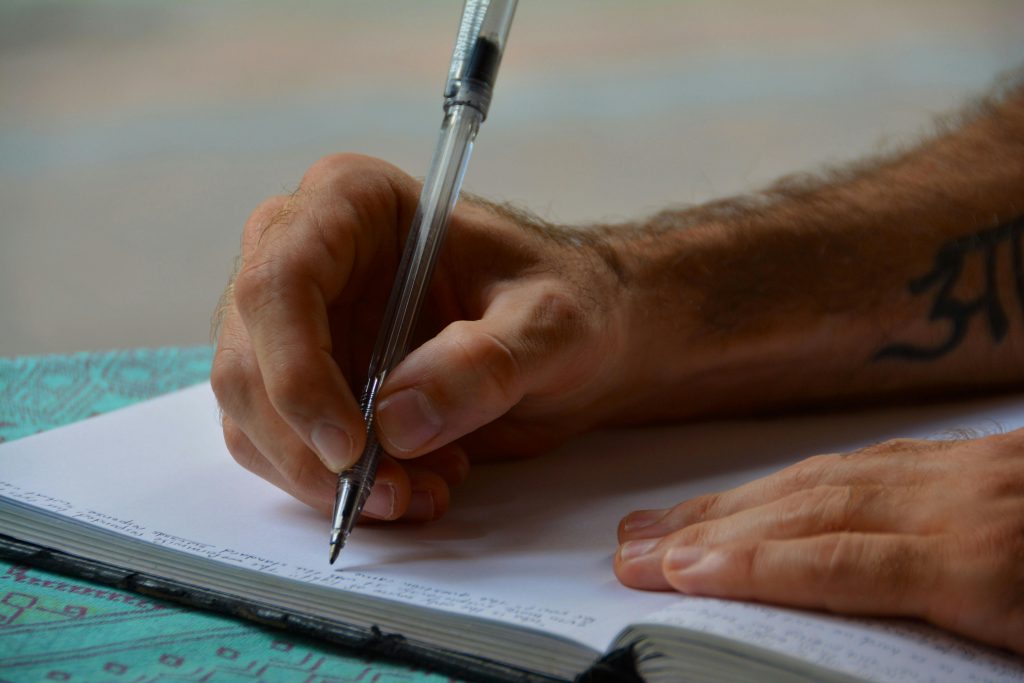
One of the most important things you can do is to record a list of your passwords. It’s best not to do this on a document on your computer or phone, but either in a secure password manager or in a book or piece of paper you can keep secure in your own home. This might include passwords for bank accounts, online seller’s accounts (i.e. eBay or Vinted, where you may have money stored that needs to be included in your estate), lottery accounts etc.
(Note: wills generally become public documents after probate, so it’s best not to use your will to share a list of passwords.)

Social media wills
You can also complete a social media will. The Digital Legacy Association provides a free template, which you can find by clicking here. Whilst these aren’t legally-binding documents, they do allow you to set out what you want to happen to any social media accounts you might have.
It’s worth considering your options. Some people want their accounts to remain untouched. Some want them memorialised, to act as a digital space for loved ones to mourn and recount memories together. Some want them deleted altogether. Some may want something different.
However, some platforms, such as X, have introduced policies that delete accounts that have been inactive for a while. This can be distressing if your X account has been used as a digital memorial space. Some other platforms have similar policies as well.

Death certificates
When a loved one dies, it is always best to request multiple copies of their death certificate. This will only become more important as time goes on and more of our lives become digital. Some platforms require physical copies of death certificates to be sent to them for verification, before they will consider closing down accounts or memorialising social media profiles.
You can order more copies at a later date, but ordering them in one go may save you money in the long run.
More information
You may find some of these links useful:
- Digital Legacy Association
- ‘How to prepare your digital life for when you die’ (Money Saving Expert)
- Preparing Digital Assets on the Planning for the Future Hub (Rowcroft Hospice)
- My Wishes

The advent of digital legacies is a natural part of modern life. But by planning effectively, we can maintain some control over how we’re remembered once we’re gone, and relieve our loved ones of some of the administrative burden at the same time.